Solah Somvar Vrat: Rules, Puja Vidhi, Katha & Udyapan (16 Mondays Fast)
Hindu Rituals · Updated 6 October 2026 · 3 min read
Solah Somvar is a vrat of sixteen consecutive Mondays dedicated to Lord Shiva and Goddess Parvati. It is kept for a good spouse, harmony in marriage, health and the fulfilment of heartfelt wishes. It is especially popular with unmarried women, but anyone can keep it. On each Monday the devotee fasts, performs Shiva puja, listens to the Solah Somvar katha and eats once in the evening. The vrat ends with an udyapan on the seventeenth Monday.
When to start Solah Somvar
- The first Monday of Shravan is the most popular start.
- The first Monday of the Shukla Paksha (bright fortnight) of Kartik, Margashirsha, Chaitra or Vaishakha is also considered good.
- Avoid starting during a period of mourning (sutak) in the family.
Take the sankalp on the first Monday, stating that you will keep sixteen Monday fasts and perform the udyapan on the seventeenth.
Rules of the Solah Somvar vrat
- Wake early, bathe and wear clean, preferably white or light-coloured clothes.
- Fast through the day. Most devotees eat once after the evening puja — traditionally the churma prasad, without salt. Those who need it may take fruits and milk during the day.
- Avoid grains during the day, onion, garlic, non-vegetarian food and alcohol.
- Keep the same Monday routine for all sixteen weeks.
- If a Monday is missed (illness, travel or menstruation), many families add one more Monday at the end so that sixteen are completed. Follow your family custom.
Monday puja vidhi
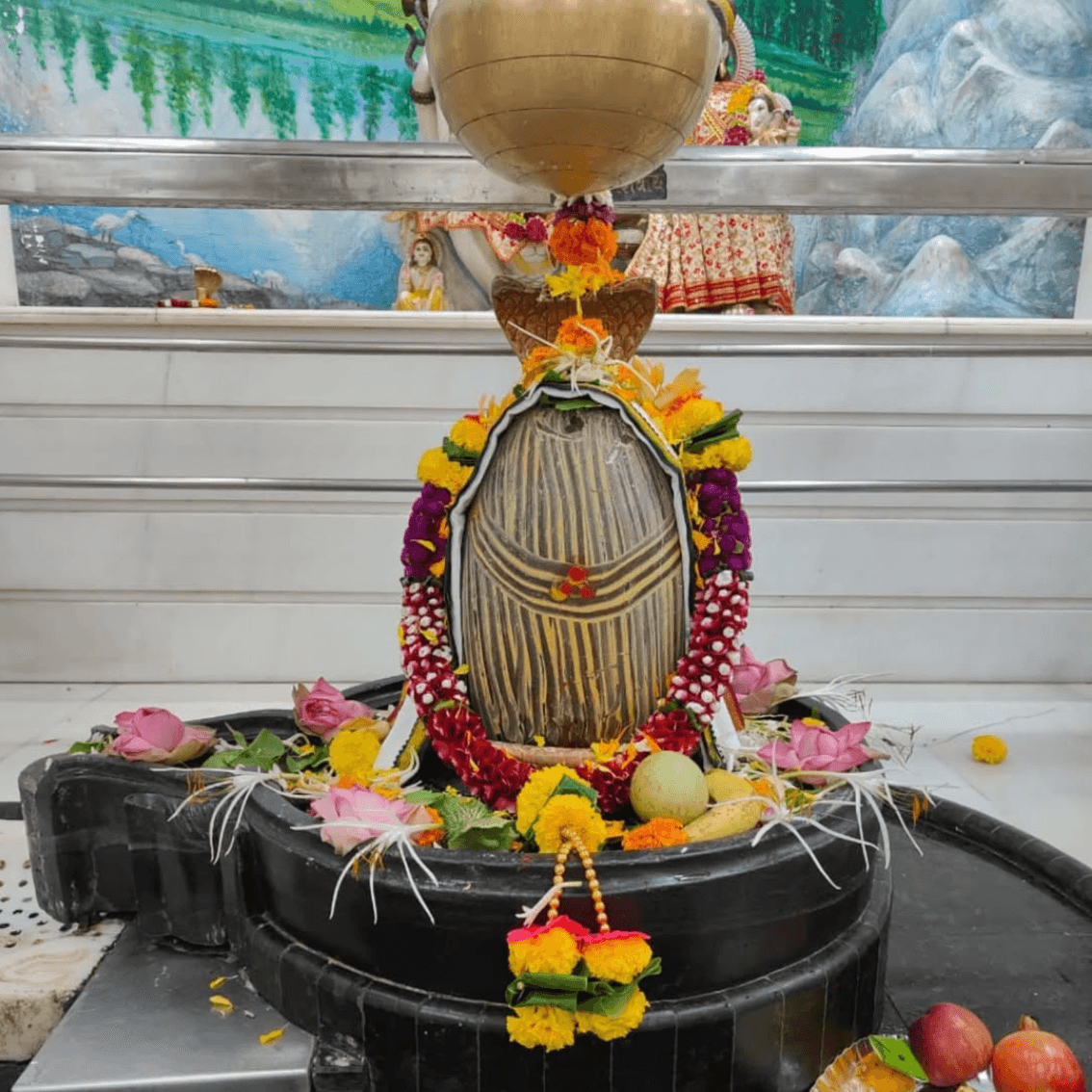
- Set up a Shivalinga or a picture of Shiva-Parvati on a clean chowki, or visit a Shiva temple.
- Take the sankalp (the full sankalp on the first Monday, a short one on the others).
- Abhishek: offer water, then raw milk, then water again to the Shivalinga.
- Offer chandan, akshat, bilva leaves, white flowers, dhatura and janeu to Shiva, and haldi-kumkum, a chunri and sindoor to Parvati.
- Light a ghee diya and dhoop.
- Chant Om Namah Shivaya at least 108 times on a rudraksha mala if possible.
- Read or listen to the Solah Somvar katha.
- Perform aarti — "Om Jai Shiv Omkara" — and offer the churma prasad.
The churma prasad
Churma is made from wheat flour roasted in ghee and mixed with jaggery or sugar (some families shape it into small laddoos). Traditionally the prasad is divided into three parts: one offered to Lord Shiva, one shared with family or others as prasad, and one eaten by the person keeping the vrat.
The Solah Somvar katha in brief
The katha is a chain of stories that all lead to the same truth: sincere devotion through sixteen Mondays fulfils the deepest wishes.
- Lord Shiva and Goddess Parvati, visiting a temple on earth, play a game of chaupar (dice). The temple priest predicts that Shiva will win; Parvati wins, and in anger curses the priest, who falls gravely ill. Celestial maidens later teach him the Solah Somvar vrat, and keeping it, he is healed.
- Parvati herself keeps the vrat when her son Kartikeya leaves home, and he returns.
- Kartikeya's friend, a poor Brahmin, keeps the vrat and wins the hand of a princess, and blessings follow for his family.
Solah Somvar udyapan
The udyapan on the seventeenth Monday completes the vrat:
- Perform a fuller Shiva-Parvati puja, ideally with a pandit, with abhishek and a short havan if your family follows that custom.
- Read the katha one final time.
- Prepare churma in a larger quantity (traditionally sawa, one and a quarter, of the usual measure) and offer it.
- Feed and honour guests — often married couples or Brahmins — and give daan of clothes, fruits, sweets and dakshina.
- Many families also gift Solah Somvar katha books to other women so that the tradition continues.
Keeping Solah Somvar abroad
Mondays are the same everywhere, so the weekly routine is easy to follow abroad. The start date, however, depends on the month (Shravan, Kartik and so on) as calculated for your location — check a panchang for your city. If a temple visit is not possible, a small Shivalinga at home is enough for the abhishek. For the udyapan, you can book a Solah Somvar puja so that a pandit guides you through it, at home or online.
For a bigger Shiva celebration, read our guides to Rudrabhishek and Mahashivratri 2027.
Frequently asked questions
When should I start the Solah Somvar vrat?
It is most commonly started on the first Monday of the Shravan month. The first Monday of the bright fortnight of Kartik, Margashirsha, Chaitra or Vaishakha is also considered good. Many families consult their pandit to choose the start date.
What if I miss a Monday during the 16 weeks?
If a Monday is missed because of illness, travel or menstruation, many families simply add a Monday at the end so that sixteen are completed. Follow your family's custom or ask your pandit.
What can I eat on Solah Somvar?
Traditionally the devotee eats once in the evening after the puja — usually the churma prasad, often without salt. Others keep a phalahari fast with fruits and milk during the day.
Can married women and men keep the Solah Somvar vrat?
Yes. Although it is popular with unmarried women praying for a good husband, married women keep it for marital harmony and men keep it for health, success and the fulfilment of wishes.
When is the udyapan of Solah Somvar done?
On the seventeenth Monday, after sixteen Mondays of the vrat. The udyapan includes a fuller Shiva puja, the katha, an offering of churma, feeding or honouring guests and giving daan.
More guides
Vrat
Ekadashi Vrat: Meaning, Fasting Rules, Parana Time & Ekadashi Dates (Oct–Dec 2026)
Ekadashi fasting rules, what to eat and avoid, parana timing, and the dates of Papankusha, Rama, Devutthana, Utpanna and Mokshada Ekadashi 2026.
4 min read
Vrat
Margashirsha Guruvar Mahalakshmi Vrat 2026: Dates, Puja Vidhi, Katha & Udyapan
Margashirsha Guruvar Mahalakshmi vrat 2026: the five Thursdays from 10 December, ghat puja vidhi, the vrat katha, udyapan and haldi-kunku.
4 min read
Festival
Navratri 2026: Dates, Ghatasthapana Muhurat, Nine Forms of Durga & Kanya Pujan Guide
Sharad Navratri 2026 runs 11–19 October. Ghatasthapana muhurat, the nine forms of Durga, Kanya Pujan on 19 October and how to observe Navratri abroad.
6 min read