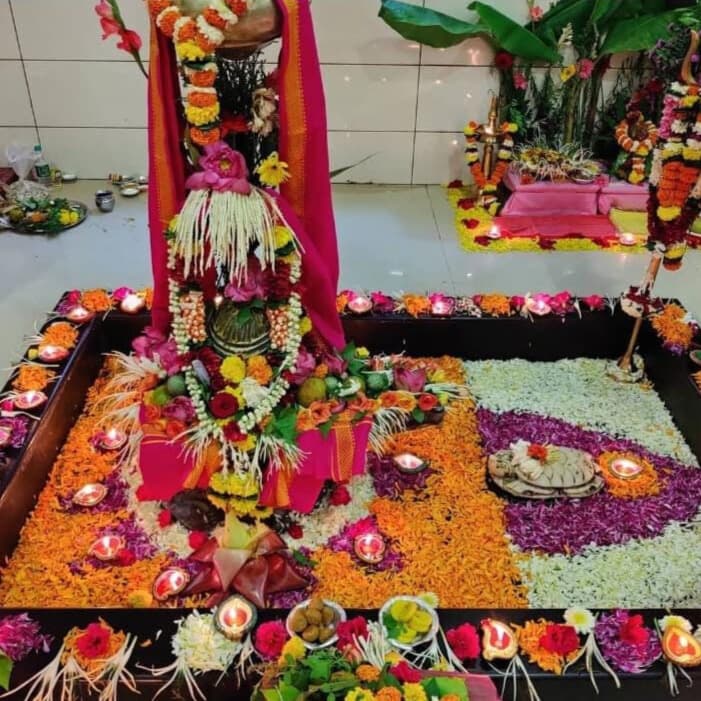
Mahashivratri 2027: Date, Nishita Kaal, Char Prahar Puja & Fasting Rules
Hindu Rituals · Updated 6 October 2026 · 3 min read
Mahashivratri 2027 falls on Saturday, 6 March 2027. It is the great night of Lord Shiva, observed with fasting, abhishek of the Shivalinga through the four watches (prahars) of the night, and an all-night vigil. The most important moment is Nishita Kaal, around midnight, which in 2027 falls at about 12:07 AM to 12:56 AM IST on 7 March for Delhi.
Mahashivratri 2027 at a glance
| Date | Saturday, 6 March 2027 |
| Tithi | Krishna Chaturdashi of Magha (amanta) / Phalguna (purnimanta) |
| Nishita Kaal (Delhi) | about 12:07 AM – 12:56 AM IST, night of 6–7 March |
| Parana (breaking the fast) | morning of Sunday, 7 March, after sunrise |
Nishita Kaal is different for every city — for example, it is earlier in Kolkata and later in Mumbai — because it depends on local midnight. Families abroad should use a panchang set to their own city. The date can occasionally differ by a day outside India.
Why Mahashivratri is celebrated
Several traditions explain the sanctity of this night:
- The Lingodbhava. The Shiva Purana tells how Lord Shiva appeared as an endless pillar of fire to end a dispute between Brahma and Vishnu, neither of whom could find its beginning or end. The Shivalinga represents this infinite form.
- Shiva and Parvati's wedding. In many regions Mahashivratri is celebrated as the night of the divine marriage of Shiva and Parvati.
- The hunter's unknowing worship. The Shiva Purana's story of a hunter who climbed a bilva tree to escape danger tells how he stayed awake all night and let fall bilva leaves and drops of water onto a Shivalinga below without knowing it — and was blessed with liberation. Even unknowing worship on this night is said to bear fruit.
Char Prahar Puja: the four watches of the night
The night from sunset to the next sunrise is divided into four equal prahars, and Shiva is worshipped in each one. A common sequence of abhishek is:
| Prahar | Main abhishek |
|---|---|
| First prahar | Milk |
| Second prahar | Curd |
| Third prahar | Ghee |
| Fourth prahar | Honey |
Water and Ganga jal are offered in every prahar, along with bilva leaves and flowers.
How to calculate prahar times for your city: take your local sunset time on 6 March and the sunrise time on 7 March, find the length of the night, and divide it into four equal parts. That gives the start of each prahar wherever you live.
What to offer on Mahashivratri
- Bilva (bel) leaves — the three-leaf stalk, unbroken, with the smooth side touching the Shivalinga
- Water, Ganga jal, milk, curd, ghee, honey, sugar (panchamrit)
- Dhatura, aak flowers, white flowers, ber (jujube) fruit
- Chandan, bhasma, akshat, janeu
- Fruits and sweets as naivedya
Avoid: tulsi leaves, the ketaki flower, haldi and kumkum on the Shivalinga, and water poured from a conch (shankh).
Mahashivratri fasting and parana rules
- The day before: a single sattvik meal, without onion and garlic.
- Mahashivratri day: take the sankalp in the morning. Keep a nirjala fast or a phalahari fast with fruits, milk, sabudana, kuttu or singhara dishes and sendha namak. Avoid grains and regular salt.
- Night: worship in the four prahars, or at least at Nishita Kaal, and chant Om Namah Shivaya and the Mahamrityunjaya mantra. Stay awake in jagran if your health allows.
- Parana: break the fast on the morning of 7 March after sunrise, after a final puja, within the time given in your panchang.
Mahashivratri abroad
- Temples and community jagrans. Most large Hindu temples in the USA, UK, Canada and Australia hold four-prahar abhishek on Mahashivratri night. Check timings in advance, since 6 March 2027 is a Saturday.
- At home. A small Shivalinga in a tray, or a Parthiv (clay) Shivalinga, is enough for the abhishek. Collect the water and pour it into plants afterwards.
- Pooja in India in your name. You can have the Mahashivratri four-prahar puja or a Rudrabhishek performed by our pandits with your sankalp.
Learn more about the abhishek itself in our Rudrabhishek guide, and about the 16 Mondays fast in our Solah Somvar Vrat guide.
Frequently asked questions
When is Mahashivratri in 2027?
Mahashivratri 2027 is on Saturday, 6 March 2027. The Nishita Kaal puja falls around midnight that night — about 12:07 AM to 12:56 AM IST on 7 March for Delhi — and the fast is broken on the morning of 7 March.
What is the difference between Shivratri and Mahashivratri?
Masik Shivratri falls on Krishna Chaturdashi every month. Mahashivratri is the great Shivratri of the year, on Krishna Chaturdashi of Magha (amanta) or Phalguna (purnimanta), and is the most important night of Shiva worship.
What should I eat during the Mahashivratri fast?
Devotees either keep a nirjala fast or eat phalahar — fruits, milk, nuts, sabudana, kuttu or singhara dishes and potatoes with sendha namak. Grains, onion, garlic and regular salt are avoided.
Can unmarried girls keep the Mahashivratri fast?
Yes. Many unmarried women keep the Mahashivratri fast praying for a husband like Lord Shiva, remembering Goddess Parvati's devotion.
Do I have to stay awake all night?
Night-long jagran is the ideal, especially worship in all four prahars or at least at Nishita Kaal. If health does not allow it, worship at Nishita Kaal and chant Om Namah Shivaya with devotion.
Sources
Dates are cross-checked against published panchangs. Muhurat times are for India (IST) unless stated — check a panchang for your own city.
More guides
Festival
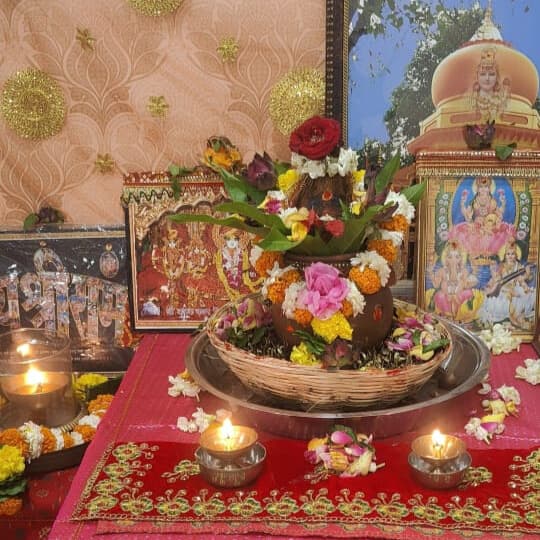
Navratri 2026: Dates, Ghatasthapana Muhurat, Nine Forms of Durga & Kanya Pujan Guide
Sharad Navratri 2026 runs 11–19 October. Ghatasthapana muhurat, the nine forms of Durga, Kanya Pujan on 19 October and how to observe Navratri abroad.
6 min read
Festival
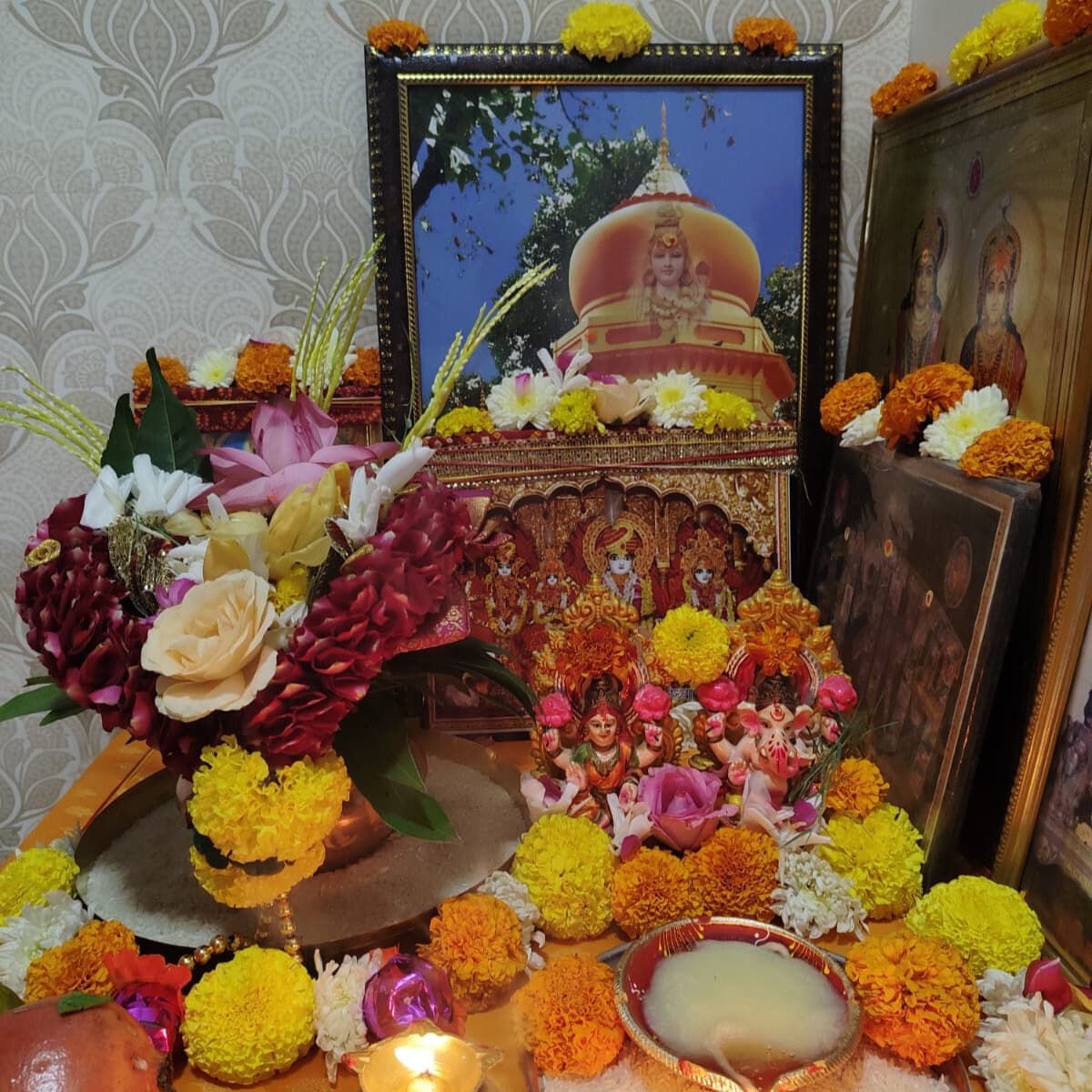
Diwali 2026: Lakshmi Puja Date, Muhurat, Samagri & Step-by-Step Vidhi
Diwali 2026 Lakshmi Puja is on Sunday 8 November. All five Diwali dates, the Pradosh Kaal muhurat, a samagri list and the Lakshmi-Ganesh puja vidhi.
4 min read
Festival
Akshaya Tritiya 2027: Date, Significance, Puja Vidhi & What to Buy or Donate
Akshaya Tritiya 2027 is on Saturday 8 May. Tithi timings, the legends behind the day, a simple Vishnu-Lakshmi puja vidhi and what to buy or donate.
3 min read