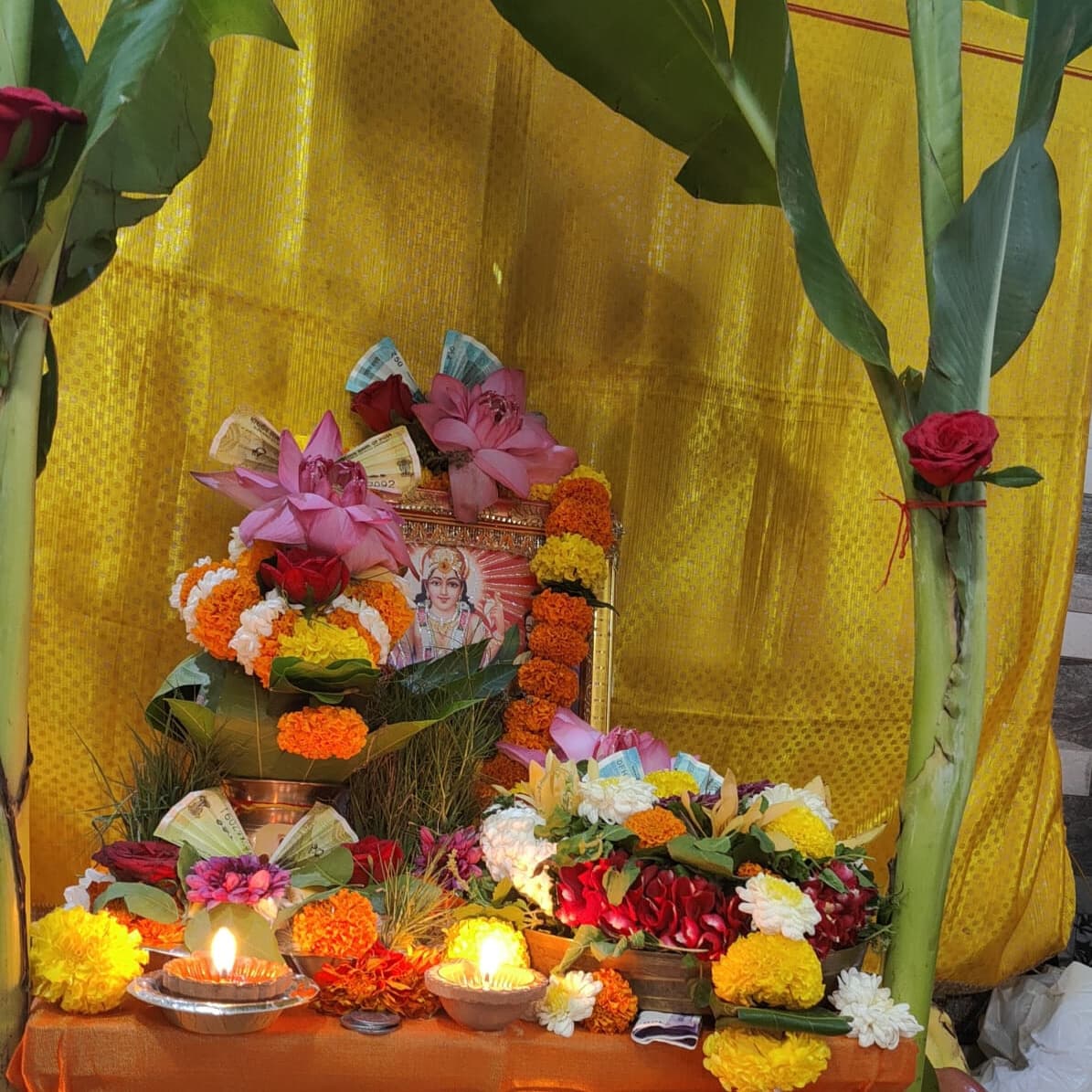
Ekadashi Vrat: Meaning, Fasting Rules, Parana Time & Ekadashi Dates (Oct–Dec 2026)
Hindu Rituals · Updated 6 October 2026 · 4 min read
Ekadashi is the eleventh lunar day (tithi) of each fortnight, and it is the most important fasting day for devotees of Lord Vishnu. It comes twice a month, once in the waxing (Shukla) and once in the waning (Krishna) fortnight. Most years have 24 Ekadashis; 2026 has 26, because it includes an extra (Adhik) month. Each Ekadashi has its own name, story and blessing.
Ekadashi dates: October to December 2026
| Ekadashi | Paksha | Date | Day |
|---|---|---|---|
| Papankusha Ekadashi | Ashwin Shukla | 22 October 2026 | Thursday |
| Rama Ekadashi | Kartik Krishna | 5 November 2026 | Thursday |
| Devutthana (Prabodhini) Ekadashi | Kartik Shukla | 20 November 2026 | Friday |
| Utpanna Ekadashi | Margashirsha Krishna | 4 December 2026 | Friday |
| Mokshada Ekadashi (Gita Jayanti) | Margashirsha Shukla | 20 December 2026 | Sunday |
Two notes on dates. Smarta and Vaishnava (for example ISKCON) calendars sometimes observe Ekadashi a day apart, depending on whether Dashami tithi touches sunrise. And because the vrat follows local sunrise, the date abroad can differ from India — always check a panchang or Vaishnava calendar for your own city.
The significance of the coming Ekadashis
- Papankusha Ekadashi comes right after Dussehra and is observed to wash away past sins.
- Rama Ekadashi falls just before Diwali and is linked to the worship of Lord Vishnu with Goddess Lakshmi.
- Devutthana Ekadashi marks Lord Vishnu waking from his four-month yogic sleep (Chaturmas). Tulsi Vivah is celebrated around this day, and the Hindu wedding season begins.
- Utpanna Ekadashi celebrates the birth of Ekadashi herself. According to the Padma Purana, a goddess appeared from Lord Vishnu to defeat the demon Mura, and Vishnu blessed her as Ekadashi — so devotees who wish to start keeping Ekadashi often begin with Utpanna.
- Mokshada Ekadashi is also Gita Jayanti, the day Lord Krishna spoke the Bhagavad Gita to Arjuna.
How to keep the Ekadashi fast
Types of fast
- Nirjala — no food or water from sunrise on Ekadashi until parana. The strictest form, kept by many on Nirjala Ekadashi in Jyeshtha.
- Phalahari — fruits, milk, nuts and water. The most common form.
- Ekabhukta — one non-grain meal in the day, for those who cannot fast fully.
What to eat and avoid
| Generally eaten | Avoided |
|---|---|
| Fruits, milk, curd, paneer | Rice, wheat and all grains |
| Nuts and dry fruits | Dals, beans and lentils |
| Sabudana, kuttu, singhara and rajgira flour | Onion and garlic |
| Potatoes, sweet potatoes, pumpkin | Regular table salt (sendha namak is used) |
| Sendha namak, black pepper, cumin | Non-vegetarian food and alcohol |
Family traditions vary: some avoid certain vegetables or spices too, so follow the custom you grew up with.
The day before and the day after
- Dashami (the day before): eat a simple sattvik meal before sunset, without grains if possible.
- Ekadashi: wake early, bathe and take the sankalp to keep the vrat. Spend the day in prayer and avoid anger, gossip and over-sleeping.
- Dwadashi (parana): break the fast after sunrise within the parana window given in the panchang, ideally after offering food to Lord Vishnu. Avoid breaking it during Hari Vasara, the first quarter of Dwadashi tithi, and do not let Dwadashi end before you break the fast.
Ekadashi puja vidhi at home
- Clean the altar and place a picture or idol of Lord Vishnu (or Krishna), or a Shaligram.
- Offer water, chandan, yellow flowers and tulsi leaves. Tulsi is not plucked on Ekadashi, so pick the leaves on Dashami.
- Light a ghee diya and dhoop.
- Chant Om Namo Bhagavate Vasudevaya or recite the Vishnu Sahasranama (from the Anushasana Parva of the Mahabharata).
- Read or listen to the katha of that day's Ekadashi.
- Perform aarti — "Om Jai Jagdish Hare" — and offer fruits as naivedya.
- Many devotees stay awake in kirtan for part of the night (jagran).
Who should take care while fasting
Ekadashi is meant to purify, not to harm. Children, the elderly, pregnant or nursing mothers, and people with diabetes or other medical conditions should keep a light phalahari fast or a one-meal vrat, after speaking to their doctor.
Ekadashi for families abroad
Because Ekadashi depends on sunrise at your location, use a panchang or ISKCON calendar set to your city. Many devotees abroad also find it easier to take the sankalp on Ekadashi morning and have a Vishnu puja performed by our pandits in India on the same day, while they keep the fast through a working day.
Ekadashi is also an excellent day for Satyanarayan Puja, another form of Vishnu worship.
Frequently asked questions
When is the next Ekadashi in 2026?
The remaining Ekadashis of 2026 are Papankusha (Thursday 22 October), Rama (Thursday 5 November), Devutthana or Prabodhini (Friday 20 November), Utpanna (Friday 4 December) and Mokshada (Sunday 20 December). Smarta and Vaishnava dates can differ by a day.
Can I drink water on Ekadashi?
Yes, unless you are keeping a Nirjala (waterless) fast. Most devotees keep a phalahari fast with water, fruits and milk.
Why is rice not eaten on Ekadashi?
Grains, and rice in particular, are traditionally avoided on Ekadashi. Vaishnava texts say that sin resides in grains on this day, so fasting from them is the core of the vrat.
When should I break the Ekadashi fast?
On Dwadashi, the next day, after sunrise and within the parana window given in the panchang — and not during Hari Vasara, the first quarter of Dwadashi. Breaking the fast after Dwadashi ends is considered a lapse.
What if I break the Ekadashi fast by mistake?
Continue the day with devotion, chant Vishnu's name and observe the next Ekadashi carefully. Many families also offer a small daan. The intention behind the vrat matters more than perfection.
Sources
Dates are cross-checked against published panchangs. Muhurat times are for India (IST) unless stated — check a panchang for your own city.
More guides
Vrat
Solah Somvar Vrat: Rules, Puja Vidhi, Katha & Udyapan (16 Mondays Fast)
How to keep the Solah Somvar (16 Mondays) vrat: when to start, the rules, Monday puja vidhi, churma prasad, the katha and how udyapan is done.
3 min read
Vrat
Margashirsha Guruvar Mahalakshmi Vrat 2026: Dates, Puja Vidhi, Katha & Udyapan
Margashirsha Guruvar Mahalakshmi vrat 2026: the five Thursdays from 10 December, ghat puja vidhi, the vrat katha, udyapan and haldi-kunku.
4 min read
Festival
Navratri 2026: Dates, Ghatasthapana Muhurat, Nine Forms of Durga & Kanya Pujan Guide
Sharad Navratri 2026 runs 11–19 October. Ghatasthapana muhurat, the nine forms of Durga, Kanya Pujan on 19 October and how to observe Navratri abroad.
6 min read